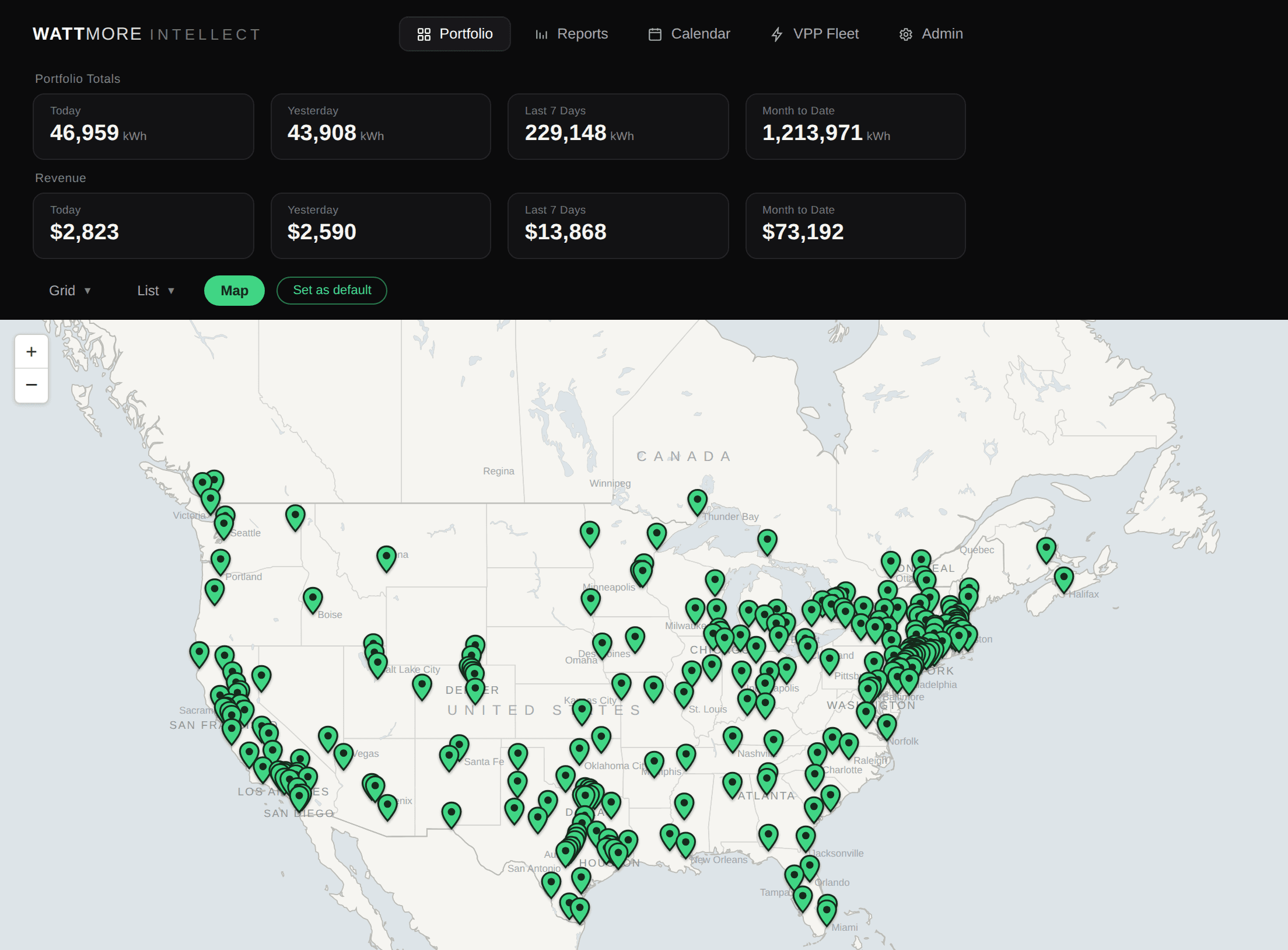
Microgrids are localized energy systems that can operate with the main grid or independently of it. They combine distributed energy resources, solar, battery storage, generators, and controllable loads, into one coordinated system under a single controller. As outage costs rise and distributed energy gets cheaper, microgrids have moved from experiment to practical infrastructure for campuses, industrial sites, communities, and critical facilities.
What is a microgrid?
The U.S. Department of Energy defines a microgrid as a group of interconnected loads and distributed energy resources within clearly defined electrical boundaries that acts as a single controllable entity with respect to the grid, and that can connect and disconnect from the grid to operate in either grid connected or island mode (U.S. Department of Energy). The definition contains the two ideas that matter: the microgrid behaves as one controllable thing, and it can stand alone.
That second property is what separates a microgrid from ordinary backup power. A generator behind a transfer switch does nothing 99 percent of the year. A microgrid optimizes energy costs every day and islands when it must.
Core components of a microgrid
Generation sources
- Solar PV: the most common renewable source, generating through daylight hours
- Battery energy storage: stores surplus, carries the night and the transitions, and forms the island
- Generators: diesel or gas units for extended outages or seasonal gaps
- Other sources: wind or combined heat and power where the site supports them
The battery, and why it is the enabler
Battery storage is what makes the modern microgrid work, for one technical reason above all: grid forming. Ordinary solar inverters are grid following, they synchronize to a voltage and frequency reference that someone else provides and shut down without it. A grid forming battery inverter provides that reference itself, establishing the island's voltage and frequency so that solar inverters and loads can keep operating with no utility present. The battery also smooths solar variability, absorbs the moment to moment mismatch between generation and load, and makes transitions fast enough that loads ride through.
The microgrid controller
The controller is the intelligence layer, and it is best understood as a storage EMS with additional duties. It decides when each source runs, when the battery charges and discharges, which loads are served or shed, and when to island or reconnect. Connected, it optimizes economics; islanded, it balances the system; in between, it manages the transition. On sites with utility interconnection requirements it also coordinates with the power plant controller functions that keep the plant compliant.
Point of common coupling
The point of common coupling (PCC) is where the microgrid meets the utility. Intelligent switchgear at the PCC executes the disconnect on an outage and the resynchronized reconnect afterward, under the controller's command.
How a microgrid operates
Grid connected mode
Connected, the microgrid runs like any well optimized solar plus storage site: solar serves load, surplus charges the battery, and the battery discharges into demand peaks and expensive hours. Peak shaving, time of use arbitrage, and solar self consumption pay the system's way; our guides to peak shaving and revenue stacking cover those mechanics.
Islanded mode
When the grid fails, the controller opens the PCC and the grid forming battery establishes the island. Solar keeps producing, generators start if the outage outlasts storage, and non critical loads shed to stretch runtime. When the utility returns, the controller resynchronizes and reconnects without dropping the loads it protected.
The permanent island
Some microgrids never connect at all. WATTMORE's Clutch site in Delta, Utah runs a 1.75 MW solar plant as a permanent island: a 120 kW grid forming battery creates the grid each morning, and the EMS matches a controllable load to available sunshine minute by minute, so roughly 99 percent of the site's power comes from the sun with no utility connection. The battery is only about 7 percent of the plant's size; intelligence, not bulk storage, holds the island together.
The value of resilience
Resilience is a real number, not a feeling. Interruption cost research from Lawrence Berkeley National Laboratory, the survey data behind the Department of Energy backed ICE Calculator, prices a single eight hour outage for a medium or large commercial and industrial customer at roughly $84,000; for a manufacturer, a data center, or a hospital, hours of avoided outage are worth real money, and the microgrid business case should count them alongside the everyday savings. The strongest projects stand on both legs: daily optimization pays the bills, and resilience pays for itself the first time the lights stay on.
Microgrid use cases
- Military installations: energy security and mission continuity
- Hospitals and data centers: uptime beyond what standby generators deliver
- Campuses and industrial parks: lower bills every day, continuity when it counts
- Remote sites and communities: replacing expensive diesel with solar plus storage
- Stranded assets: plants waiting on interconnection that software can put to work now, as Clutch shows
WATTMORE's Intellect Operate provides the storage EMS and microgrid control, including grid forming coordination, with Intellect EnFORM as the monitoring layer. Talk to us about your microgrid project.